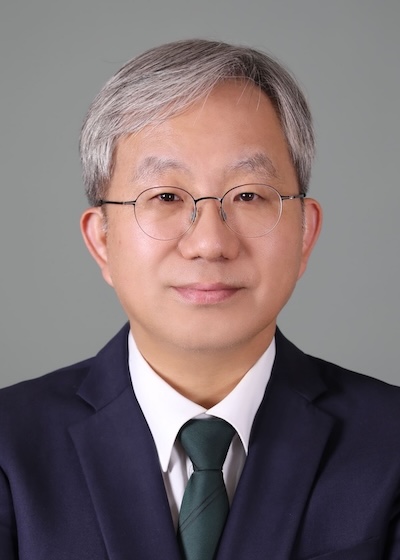
Brief Introduction
Professor Jang served as President of the Korean Pancreas Surgery Club from 2022 to 2024 and has been Chairman of the Korean Association of Hepato-Biliary-Pancreatic Surgery since 2025. He is currently Professor and Chairman of the Department of Surgery at Seoul National University College of Medicine.
Specialty
Pancreatic and biliary surgery and minimally invasive surgery (MIS).
Education
He is a distinguished graduate of Seoul National University, where he completed his residency and fellowship training in the Department of Surgery at Seoul National University Hospital, specializing in pancreatic and biliary surgery.
Experience
He has been a pioneer in laparoscopic and robotic pancreaticoduodenectomy and has personally performed more than 800 robotic and 2,500 open pancreatectomies.
Selected Publications
Professor Jang has authored over 600 SCI(E)-indexed publications and plays a central role in international clinical guideline development and global collaborative studies on pancreatic and biliary diseases, including intraductal papillary mucinous neoplasms (IPMN) and pancreatic and biliary tract cancers.
The therapeutic landscape of pancreatic ductal adenocarcinoma (PDAC) has evolved substantially over the past decade. More effective systemic therapies, combined with advances in surgical techniques and multidisciplinary care, have led to gradual improvements in overall survival, including modest but meaningful gains in long-term survival. A major driver of this evolution is the increasing adoption of total neoadjuvant therapy (TNT), which facilitates early control of occult systemic disease while serving as a biological selection strategy to identify patients most likely to benefit from surgical resection, particularly in borderline resectable pancreatic cancer (BRPC).
Despite these advances, several important challenges remain unresolved. Ongoing controversies include the optimal neoadjuvant regimen, treatment duration, assessment of treatment response, criteria for surgical exploration following neoadjuvant therapy, and the precise role of radiotherapy within multimodal treatment strategies, particularly for BRPC and locally advanced pancreatic cancer (LAPC).
In this lecture, I will review current evidence and emerging treatment strategies for BRPC and LAPC, highlighting recent clinical trials, evolving concepts, and ongoing controversies. As novel systemic therapies and multimodal treatment approaches continue to evolve, surgeons must move beyond the role of technical operators and actively participate in multidisciplinary decision-making, including patient selection, treatment sequencing, and surgical planning. Ultimately, durable survival in PDAC will depend on the evidence-based integration of systemic therapy, radiotherapy, and surgery within a coordinated multidisciplinary framework.